China Furniture Exports to the Middle East in 2026: Trends, Risks, and Strategic Shifts
CasaViva Furniture · 2 May 2026
The Middle East has long been a dynamic and strategically important market for furniture imports. In 2026, however, the region is facing a more complex environment shaped by geopolitical tensions, fluctuating oil revenues, currency pressures, and evolving consumer demand. These factors are not reducing demand—but they are fundamentally changing how furniture is sourced, priced, and delivered.
For Chinese furniture exporters and Middle Eastern buyers alike, understanding these shifts is no longer optional—it is essential for staying competitive.
1. Demand Remains Strong, but Becomes More Cautious
Despite regional instability, demand for furniture—especially in GCC countries like Saudi Arabia and the UAE—remains resilient. Large-scale projects, hospitality developments, and residential demand continue to drive imports.
However, buyers are becoming more cautious:
Smaller initial orders instead of bulk commitments
Increased price sensitivity
Stronger emphasis on cash flow and payment flexibility
Mature and scalable manufacturing capacity
Wide product range across price segments
Strong ability to customize designs
Competitive pricing compared to Europe and Turkey
Lead time reliability
Communication efficiency
Packaging and damage control
Ability to support mixed-container shipments
Increasing inventory buffers in local warehouses
Splitting shipments across multiple batches
Prioritizing suppliers who can offer flexible delivery schedules
Buyers want to reduce inventory risk
Market demand is changing faster than before
Retailers need quicker response cycles
E-commerce furniture sellers
Small and mid-sized distributors
Project buyers with tight timelines
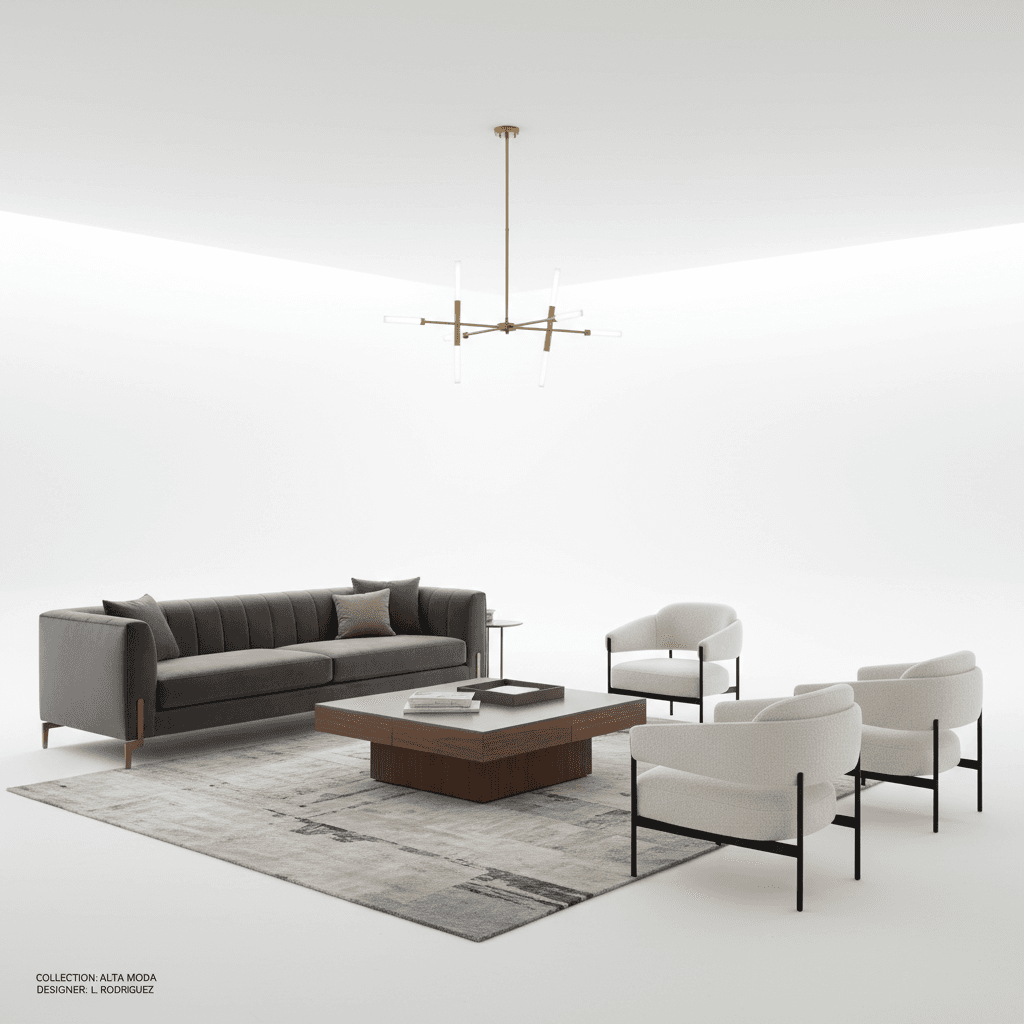
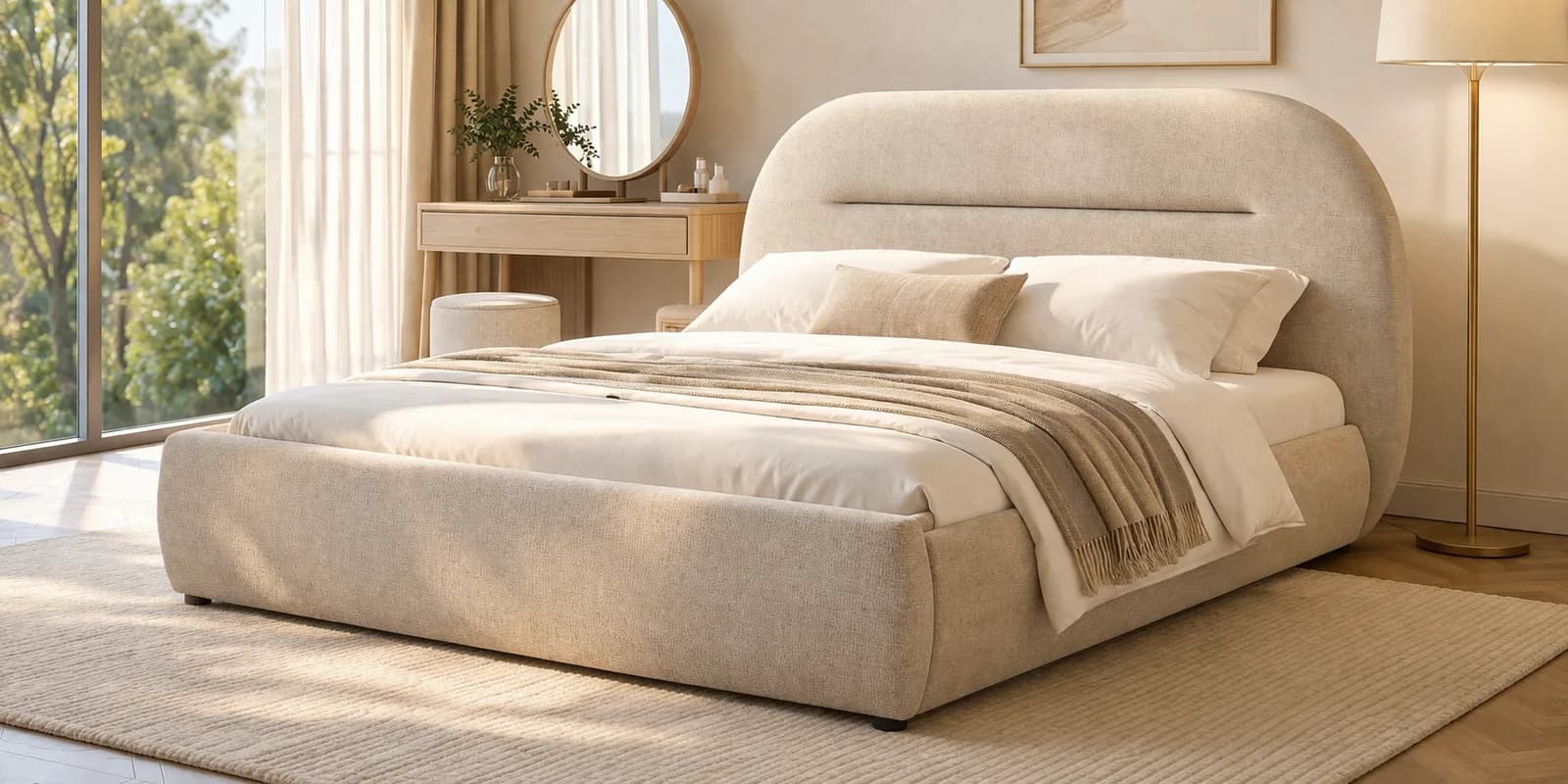
Minimalist modern styles over heavy classical designs
Neutral colors suitable for multiple markets
Space-efficient and modular furniture
Durable materials with lower maintenance costs
Extended payment terms
Lower deposit ratios
Trial orders before long-term cooperation
Provide clear and transparent quotations
Respond quickly and consistently
Show long-term cooperation mindset
Strong sample development capability
Clear and professional product presentation (catalogs, renders, specs)
Flexible MOQ and order structure
Stable internal production management
This reflects a broader shift from aggressive expansion to risk-controlled procurement.
2. China’s Position Remains Stable—but Expectations Are Higher
China continues to dominate as a furniture sourcing hub due to:
However, Middle Eastern buyers are no longer choosing suppliers based on price alone. In 2026, key decision factors include:
Suppliers who cannot meet these operational expectations risk losing business—even if their prices are competitive.
3. Logistics Uncertainty Is Driving Structural Changes
Shipping disruptions and rising insurance costs—particularly related to Red Sea routes—are having a direct impact on furniture trade flows.
As a result, importers are adapting:
For Chinese exporters, this creates both pressure and opportunity. Companies that can coordinate logistics proactively and provide clear shipment planning are gaining a significant edge.
4. Faster Turnover and Ready-to-Ship Products Gain Popularity
One of the most noticeable changes in 2026 is the growing demand for ready-to-ship or short-lead-time collections.
Why?
This is particularly evident in:
Chinese suppliers who can offer stock programs, modular designs, or standardized collections are seeing increased interest.
5. Product Trends: Simplicity, Versatility, and Cost Efficiency
In terms of product direction, Middle Eastern buyers are showing clear preferences:
There is also a growing demand for value-engineered products—items that maintain a premium look while optimizing material and production costs.
This trend aligns well with China’s strength in flexible manufacturing and cost control.
6. Payment and Trust Become Key Negotiation Points
Under uncertain economic conditions, payment terms are becoming more sensitive.
Buyers are increasingly requesting:
At the same time, trust is becoming a decisive factor. Importers prefer suppliers who:
In many cases, reliability now outweighs marginal price differences.
7. Opportunities for Strategic Suppliers
While the environment is more complex, it also creates opportunities for well-positioned exporters.
Chinese suppliers who succeed in 2026 typically share these characteristics:
Most importantly, they act not just as manufacturers—but as solution providers who help buyers navigate uncertainty.
Conclusion
The Middle East furniture market in 2026 is not shrinking—it is evolving.
Geopolitical complexity is accelerating a shift toward flexibility, efficiency, and risk management. In this new environment, China’s role remains central, but the rules of competition are changing.
For exporters, the focus must move beyond price to reliability, adaptability, and service.
For importers, success depends on building partnerships that can withstand uncertainty.
In a volatile market, stability becomes the most valuable product of all.